Searching “Pool Companies Near Me” Is a Great Way to Find Inspiration in Lagrangeville and Highland Mills, NY
As the new year begins, many homeowners set goals for improvement—and for some, that means upgrading their outdoor living space....
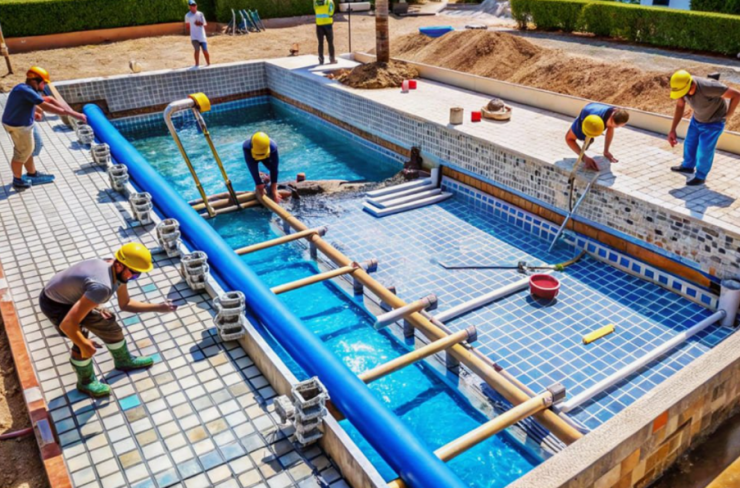
Adding a swimming pool creates a backyard retreat for family recreation, exercise, and entertainment. Pool installation is a significant investment requiring careful planning and selection of qualified contractors. The right team brings your vision to life while avoiding costly mistakes and delays.
Pool projects involve multiple stages including design, permitting, excavation, construction, equipment installation, and finishing. Experienced contractors coordinate these phases efficiently and handle challenges that arise during construction.
In-ground pools come in three main construction types: concrete, fiberglass, and vinyl liner. Each type offers different benefits, costs, and maintenance requirements. Concrete pools allow complete design freedom for custom shapes and features. They last longest but cost most and require more maintenance.
Fiberglass pools arrive as pre-formed shells installed in excavated holes. They offer quick installation, smooth surfaces that discourage algae, and lower maintenance. However, shape options are limited to available molds.
Vinyl liner pools use walls of steel, aluminum, or polymer panels with vinyl membranes forming the water barrier. They cost less than concrete but more than fiberglass. Liners require replacement every few years.
Above-ground pools offer the most economical option for swimming. Modern designs and deck treatments make them more attractive than older models. They work well for temporary installations or when in-ground pools are impractical.
Pool construction requires specialized knowledge and equipment. Look for contractors who focus primarily on pool installation rather than companies that build pools occasionally. Experience with your preferred pool type ensures they understand specific construction requirements.
Verify state contractor licenses and specialty certifications for pool construction. Many states require specific pool contractor licenses separate from general contractor credentials. Membership in industry associations like the Association of Pool and Spa Professionals indicates professionalism and ongoing education.
Pool contractors need substantial insurance coverage including general liability, workers' compensation, and often additional policies covering excavation risks. Request certificates of insurance and verify coverage directly with insurers.
Bonding protects you if contractors abandon projects or fail to meet contract terms. Some states require bonds for pool contractors above certain project values. Check local requirements and verify contractors meet them.
Pool size and shape should fit your yard dimensions, intended use, and budget. Rectangular pools suit lap swimming while freeform designs create natural appearances. Consider sun exposure, privacy, access to utilities, and drainage when planning placement.
Depth requirements depend on how you'll use the pool. Lap swimming requires at least 4 feet throughout. Dives demand 8-9 feet minimum at the deep end. Many pools incorporate varying depths accommodating different activities and age groups.
Waterfalls, fountains, and bubblers add visual and auditory appeal. Heating extends swimming seasons in cooler climates. Automation systems control pumps, heaters, and lights from smartphones. LED lighting creates ambiance and improves night swimming safety.
Discuss desired features during design to incorporate necessary plumbing and electrical infrastructure during construction. Adding features later costs significantly more than including them initially.
Pool construction costs vary widely based on size, type, features, and local factors. Basic vinyl liner pools costs are economical while elaborate concrete pools with extensive features are on the pricier end. Get detailed estimates from multiple contractors specifying all included work and materials.
Hidden costs often surprise homeowners. Permits, engineering, utility relocation, landscaping repairs, fencing, and initial equipment setup add to base construction costs. Request all-inclusive estimates to avoid unexpected expenses.
Budget for recurring expenses including water, electricity, chemicals, maintenance, and repairs. Pool operation costs depend on size, equipment, and climate. Heating adds significantly to operating costs.
Equipment like pumps, filters, and heaters eventually need replacement. Plan for these expenses in your long-term budget. Energy-efficient equipment costs more initially but reduces operating expenses.
Most jurisdictions require permits for pool construction. Contractors typically handle permit applications, but homeowners should verify submission and approval before work begins. Unpermitted work can create liability and complicate home sales.
Setback requirements specify minimum distances between pools and property lines. Height and type of required fencing varies by location. Many areas mandate self-closing gates and alarms for safety. Understand local requirements before finalizing plans.
Review HOA restrictions before planning your pool. Some communities prohibit certain pool types, limit sizes, or require specific aesthetic standards. Obtain necessary HOA approvals before signing contracts or ordering materials. Utility locations affect pool placement. Contractors should verify utility positions and adjust plans if necessary to avoid damage.
Pool construction typically takes 6-12 weeks for in-ground installations, though timelines vary. Excavation occurs first, followed by structural construction. Weather, soil conditions, and permit delays can extend projects.
Communication during construction helps manage expectations and address issues promptly. Regular updates from contractors keep you informed about progress and any problems requiring decisions.
Concrete pools involve steel reinforcement installation, plumbing and electrical rough-in, shotcrete or gunite application, and finishing with plaster, tile, or aggregate surfaces. This process takes the longest among pool types.
Fiberglass pools install faster. After excavation, contractors set the shell, connect plumbing and electrical, backfill around the shell, and add decking. The streamlined process reduces construction time significantly.
Pool pumps circulate water through filters and heaters. Variable-speed pumps cost more than single-speed models but save substantially on electricity. Proper pump sizing ensures adequate circulation without wasting energy.
Filters remove debris and maintain water clarity. Sand, cartridge, and diatomaceous earth (DE) filters each have pros and cons. Cartridge filters require less maintenance while DE filters provide finest filtration.
Gas heaters heat pools quickly making them suitable for occasional use. Heat pumps cost less to operate but work slower and less effectively in cold weather. Solar heating offers the most economical operation but requires roof or ground space for panels.
Salt chlorine generators convert salt to chlorine, eliminating need for chlorine tablets. They cost more initially but provide gentler water and reduce chemical purchases. Traditional chlorination systems cost less but require regular chemical additions.
Decking surrounds the pool providing walking surfaces and lounging areas. Concrete, pavers, natural stone, and tile each offer different aesthetics and slip resistance. Choose materials that stay cool underfoot and drain well.
Landscaping integrates pools into yards while providing privacy and shade. Consider mature plant sizes and avoid trees that drop excessive leaves. Proper grading directs runoff away from pools preventing contamination.
Outdoor kitchens, fire pits, and covered areas extend pool usability. Plan these features considering traffic flow, sun exposure, and utility access. Coordinating pool installation with other outdoor features can save money through combined construction.
Fencing requirements typically mandate barriers around pools. Options include traditional fencing, walls, or approved safety covers. Gates must be self-closing and self-latching at specified heights.
Pool warranties typically cover structural integrity, equipment, and finish materials separately. Concrete pools often carry 30-year structural warranties. Fiberglass shells may have lifetime warranties against structural failure.
Equipment warranties typically last 1-5 years depending on the manufacturer and component. Plaster and finish materials may have 1-3 year warranties. Understand what each warranty covers and how long coverage lasts.
Reputable contractors guarantee their workmanship for at least one year. This covers issues like plumbing leaks, electrical problems, or structural defects resulting from improper construction. Get workmanship guarantees in writing.
Keep all warranty documentation and know who to contact for service. Some warranties require professional maintenance for validity. Maintain service records to protect warranty coverage.
Regular maintenance keeps pools clean, safe, and operating efficiently. Weekly tasks include testing and adjusting water chemistry, skimming debris, brushing walls, and checking equipment operation. Monthly tasks include cleaning filters and inspecting equipment.
Opening pools in spring and closing them in fall requires specific procedures protecting equipment and maintaining water quality. Many homeowners hire professionals for seasonal maintenance while handling weekly upkeep themselves.
Pool service companies offer weekly, bi-weekly, or monthly maintenance programs. Services typically include cleaning, chemical testing and balancing, and basic equipment checks. Costs range from $80-$150 monthly depending on service level and location.
DIY maintenance saves money but requires learning proper techniques and investing in testing equipment and tools. Many homeowners start with professional service while learning pool care, then transition to self-maintenance.
Pool safety begins with proper barriers preventing unsupervised access by children. Self-closing, self-latching gates on fencing create the first defense. Pool alarms alert when water is disturbed, providing additional protection.
Safety covers support weight preventing accidental falls into water. They also reduce evaporation and keep pools cleaner when not in use. Automatic covers offer convenience through motorized operation.
Keep rescue equipment including reaching poles and life rings near pools. Ensure at least one household member knows CPR. Establish and enforce pool rules, particularly for children.
Lighting improves safety for night swimming. Underwater lights, path lighting, and general area lighting help swimmers see clearly and prevent trips and falls around pools.
Quality pools can increase property values, though returns vary by market. In warm climates where pools are common. In cooler areas, pools may add less value or even deter some buyers.
Well-maintained pools with updated equipment and attractive landscaping appeal more to buyers than dated or neglected pools. Keep records of maintenance and improvements to show prospective buyers.